Hiring a Web Designer: 12 Essential Tips for Irish Businesses
Hire the right web designer for your Irish business with these essential tips. Avoid costly mistakes and get results. Start your search today.

Hiring a web designer shouldn't feel like a gamble. Yet many Irish business owners dive in without knowing what to look for, ending up with websites that miss the mark or budgets that spiral out of control.
We've seen it all—from gorgeous sites that don't convert, to cheap builds that need rebuilding within months. Here are 12 practical tips to help you hire the right web designer and avoid expensive mistakes.
1. Know What You Actually Need
Before contacting any designer, get clear on your requirements. Do you need a simple brochure site? An e-commerce store? A booking system?
Write down: How many pages you need, what functionality is essential (contact forms, online payments, booking systems), your target audience, and your main goal (more enquiries, online sales, brand credibility).
This clarity prevents scope creep and helps designers give you accurate quotes.
2. Set a Realistic Budget
Quality web design isn't cheap, but cheap web design is expensive. A professional 5-10 page website typically costs between €1,500 and €5,000 in Ireland. E-commerce sites start higher.
If quotes seem too good to be true, they probably are. Template sites from €300 might save money upfront but often lack proper SEO, mobile optimization, or the custom features you need.
Budget for the full project including design, development, content, images, and at least 3 months of post-launch support.
3. Review Their Portfolio Critically
Don't just look at pretty pictures. Ask yourself:
• Do these sites work well on your phone?
• Are they fast to load?
• Can you easily find information?
• Do they look modern and professional?
• Are they similar to what you need?
A designer who only shows artistic sites might struggle with practical business websites. Look for proven results in your industry.
4. Check They Understand Irish Business
Ireland has specific requirements that international designers might miss—GDPR compliance, VAT display rules, euro pricing, local payment gateways, and Irish customer expectations.
A designer familiar with the Irish market will build these considerations in automatically, saving you headaches later.
5. Verify They're SEO-Competent
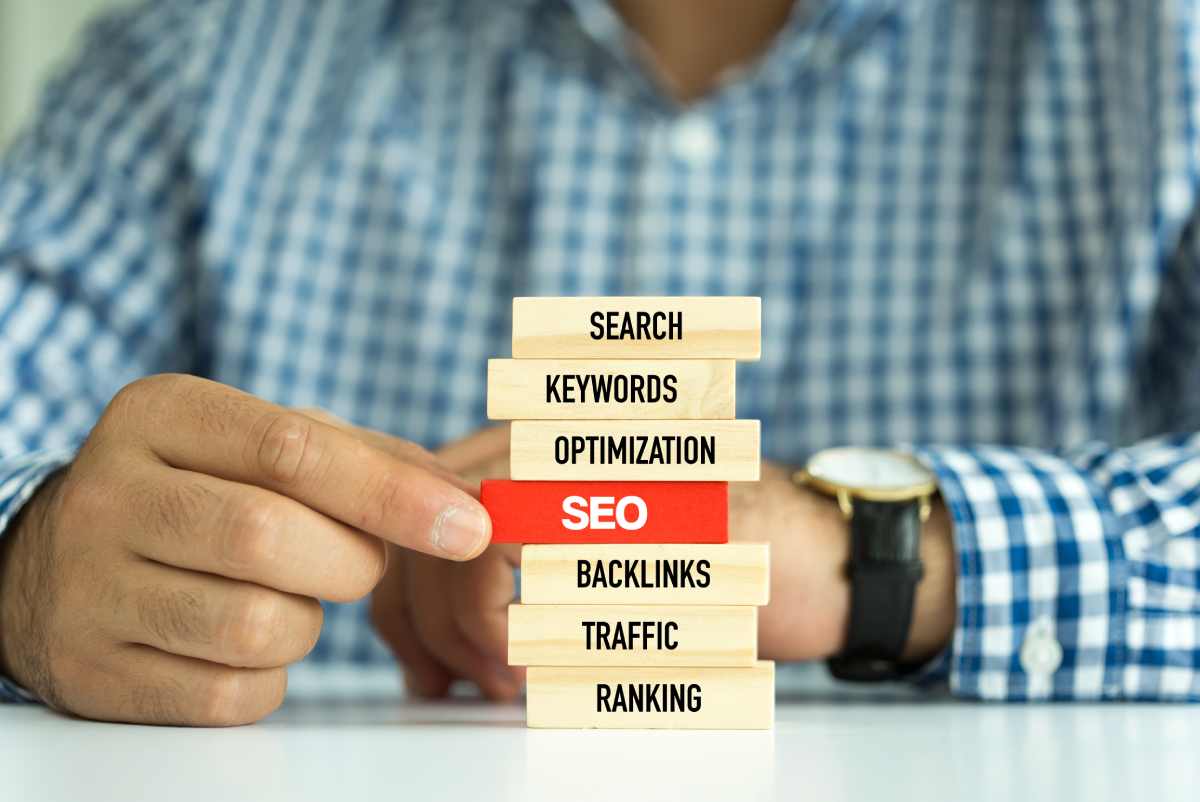
A beautiful website nobody finds is a waste of money. Your designer should understand basic SEO principles:
• Proper page titles and meta descriptions
• Mobile-responsive design
• Fast loading speeds
• Clean URL structures
• Schema markup
• Image optimization
If they can't explain their SEO approach in plain English, keep looking.
6. Ask About Their Design Process
Professional designers follow a structured process. Red flags include designers who start building immediately without understanding your business, skip the planning phase, or can't explain their workflow.
A solid process typically includes discovery and strategy, wireframes or mockups for approval, development with regular check-ins, testing and refinement, and training on managing your site.
7. Understand What's Included
Get everything in writing. Does the quote include:
• Domain registration and hosting setup?
• Stock images or custom photography?
• Content writing or just design?
• SSL certificate and security?
• Email setup?
• Training?
• Post-launch support?
Hidden costs kill budgets. A detailed quote protects both parties.
8. Check Their Communication Style
You'll be working closely with this person for weeks. Poor communication causes more project failures than technical skills.
During initial conversations, notice: Do they respond promptly? Do they explain things clearly without jargon? Do they listen to your needs? Do they ask good questions?
Trust your gut. If communication feels difficult now, it won't improve mid-project.
9. Verify Ownership and Access
You should own your website, domain, and content. Some designers retain ownership, holding your site hostage if you want to leave.
Before signing anything, confirm you'll own the domain name, have full access to hosting, get all source files, and can take your site elsewhere if needed.
10. Read Reviews and Ask for References
Google reviews, testimonials, and references from past Irish clients provide crucial insights. Contact previous clients if possible and ask about missed deadlines, communication quality, and post-launch support.
Be wary of designers with no verifiable reviews or who refuse to provide references.
11. Discuss Ongoing Maintenance
Websites need regular updates for security, performance, and content. Clarify who handles updates, how much ongoing support costs, what happens if something breaks, and how quickly they respond to issues.
Some designers offer monthly maintenance packages. Others work ad-hoc. Know your options upfront.
12. Trust Your Instincts
If something feels off, it probably is. Warning signs include pressure to sign quickly, vague answers about process or pricing, promises that sound unrealistic, or reluctance to put agreements in writing.
The right designer will be patient, transparent, and genuinely interested in your success.
What Happens After You Hire?
Once you've chosen your designer, protect yourself with a clear contract covering scope, timeline, payment terms, revision rounds, and ownership rights.
Stay involved throughout the project. Provide feedback promptly, supply content on time, test everything before launch, and ask questions when unsure.
A good web designer wants you to understand the process and feel confident about your investment.
Ready to Start Your Search?
Armed with these tips, you're ready to find a web designer who'll deliver results.
At Leinster Insider, we believe in transparent processes, clear communication, and websites that actually work for Irish businesses. If you'd like to discuss your project with no pressure or obligation, we're here to help.
Related Reading:
• Professional Web Design Services in Ireland
• SEO Services in Ireland